Culture and Self-Concept in India: A Complex Interplay of Tradition and Modernity
Introduction
India, a land of rich cultural diversity, may even constitute a model for understanding how different aspects of culture will interact in shaping the self-concept. Individualism-that is, independence and separateness-characterizes much Western experience; Indian culture values an interdependent self-concept that defines the individual in relation to others, such as kin, community, caste. This difference at its base will determine the way people describe themselves, their identity, and their relations to others. This article explores the subtleties of the self-concept in India, detailing how cultural norms, values, and social expectations influence psychological processes and how mental health is considered as an aggregate of those psychological processes.
Understanding Self-Concept in a Cultural Framework
Self-concept refers to the views, beliefs, and attitudes an individual holds concerning oneself. It is an integral construct in psychology that constitutes various aspects, which include self-identity, self-esteem, and self-efficacy, among others. In cross-cultural psychology, self-concept is often classified into two: independent and interdependent self-construals. This is because the independent self-construal is majorly related to autonomy and personal goals, while the interdependent self-construal is characterized by relationality and collective goals. In the Indian context, the self-concept is constructed very much within the framework of interdependent values; hence, it is different from the western notion of an autonomous self.
The Indian Context: A Collectivist Culture
India's collectivist orientation holds the accent on relationships, social roles and group cohesion. For so many centuries these had been fostered through traditions like the caste system, the joint family structure, and religious practices. It made people look at themselves as part of others, having a sense of who they were tied to by virtue of their social relationships and what they were supposed to achieve for society. This is reflected in the doctrine of dharma, duty, and karma, action which emphasizes the obligation to fulfill one's duties toward family and society.
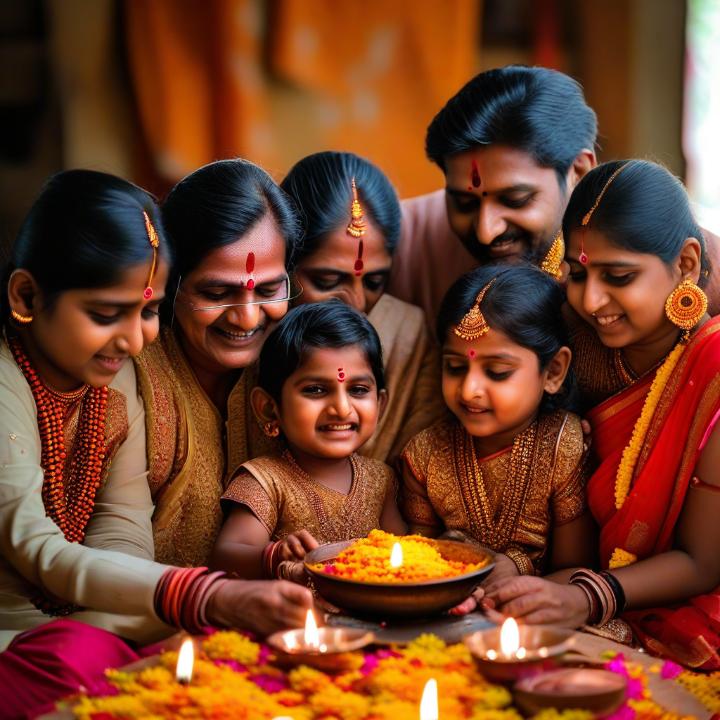 |
| Family is at the core of identity in the Indian way of life, which builds values and develops relationships in many generations. |
For instance, the word "vasudhaiva kutumbakam" in the Sanskrit language, literally means "the world is one family," and it will connote the consciousness of oneness and believing in doing what will benefit the society at large. This sense of belongingness and responsibility moulds how the people develop their self-concept, where they discover the importance of achieving the group's goals over personal ambitions.
 |
| An illustration of lotus (Cultural Symbol) |
How Culture Shapes Psychological Processes
The collectivist nature of Indian culture shapes several psychological processes, influencing how individuals form their identities, regulate their emotions, and perceive self-worth. Some key aspects include:
1. Identity Formation: In India, identity is not just an individual construction but a collective one. An individual's identity is largely shaped by his social roles such as son/daughter, husband/wife, caste, religion, and regional bindings. This identity is yet another dimension added through rituals, ceremonies, and family conventions. Indian youth never experience identities as Western adolescent people do, where they are encouraged to find their own individual identity and assert it. Rather, they generally tend to define their identities according to the expectations of their families and communities.
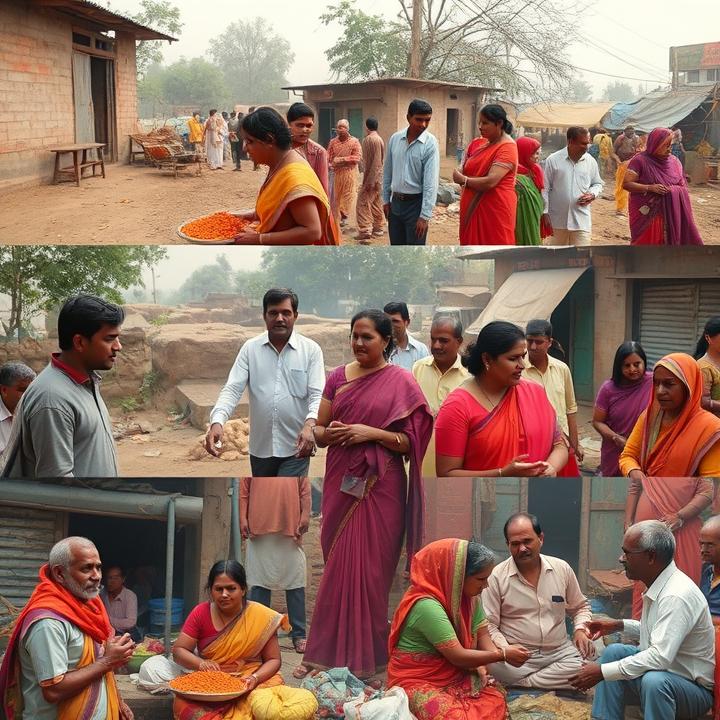
Community ties and social roles define individual identities in the mosaic of Indian society. Emotional Expression and Regulation: In Indian society, cultural values of social harmony and respect for hierarchical relationships influence the regulation of emotions. Anger and frustration often get repressed in a bid to ward off interference with social harmony, thus creating an internal/external dissonance in terms of emotional state. This creates psychological problems such as anxiety and stress because the individual cannot reconcile their private feelings with expectations in society.
Self-Esteem and Achievement: In Indian culture, self-esteem is often equated with external validation rather than personal achievement. It is reflected in the social focus on academics and career success as measuring instruments of a person's self-worth. Parents and society have high aspirations that the person would do well both in academia and at the professional level, and all these successes become a reflection of the family's honour and status. Self-esteem comes to be associated with the fulfillment of such external expectations and further exacerbates stress and performance anxiety.
The Influence of Globalization and Modernization
Where traditional collectivist values continue to structure self-concept at the informal level, this has been eroded by globalization and modernization; today, this takes on significantly different connotations, especially in the urban space. International media and technology have naturally honed personal appreciation of Western values to be enhanced individualism and personal development; it often manifests in hybrid self-concepts, in which personal ambitions and social responsibilities are aligned.
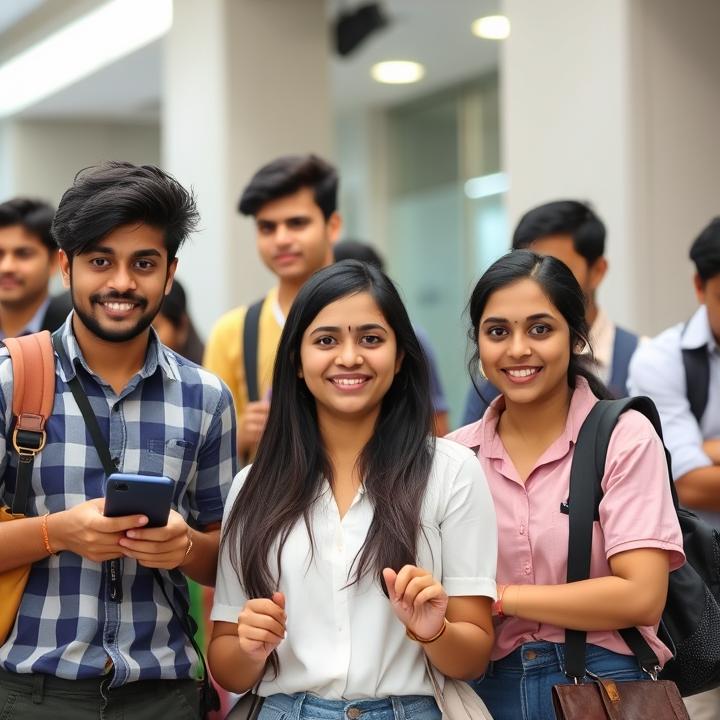 |
| The vitality of Indian youth is an interwoven pattern of old tradition and new hopes in a fast changing scenario. |
For instance, in cities such as Mumbai, Bangalore, and Delhi, the trend is becoming increasingly prevalent among the youth to prioritize their personal desires and selfish behaviour and career ambitions. They are all the more willing to challenge the long-standing traditions that promote the ideals of arranged marriages or the profession that the family expects them to take up. However, this shift is not uniform across the country. Rural areas and smaller towns continue to uphold traditional collectivist values more strongly, leading to a cultural dichotomy within the same society.
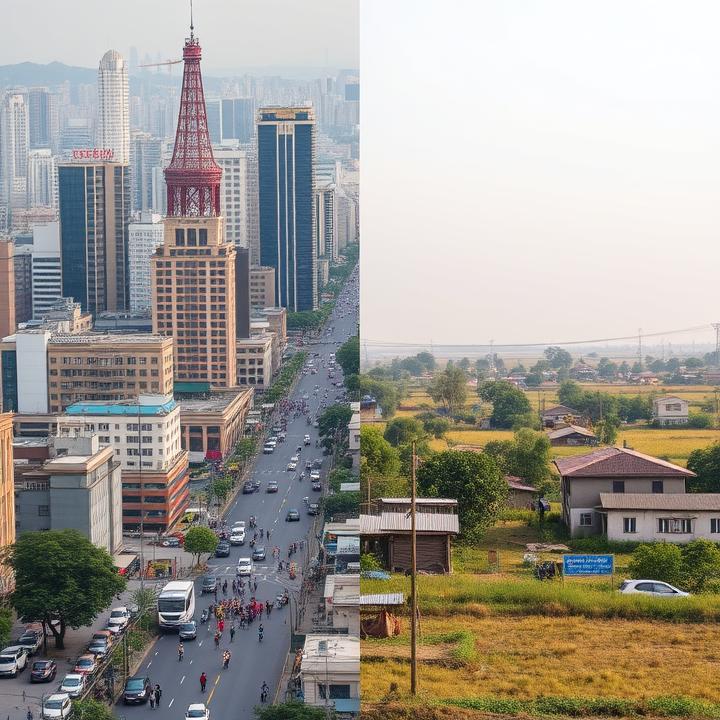 |
| The struggle between city and village living reflects the continuing battle of the forces of modernization and ancient custom as constitutive in the definition of identity. |
Theoretical Perspectives and Empirical Evidence
Markus and Kitayama's (1991) independent and interdependent self-construal is a useful frame of reference in understanding the Indian context. Verma and Triandis's studies (1999) claim that Indians typically have scores much higher on measures of interdependence with relational aspects of self placed more above individual attributes. Another relevant conclusion drawn by Saraswathi's study (2003) is that obedience, respect for elders, and familial obligations rank at the top of Indian adolescents' concerns and play a significant role in shaping their self-concept and self-identity.
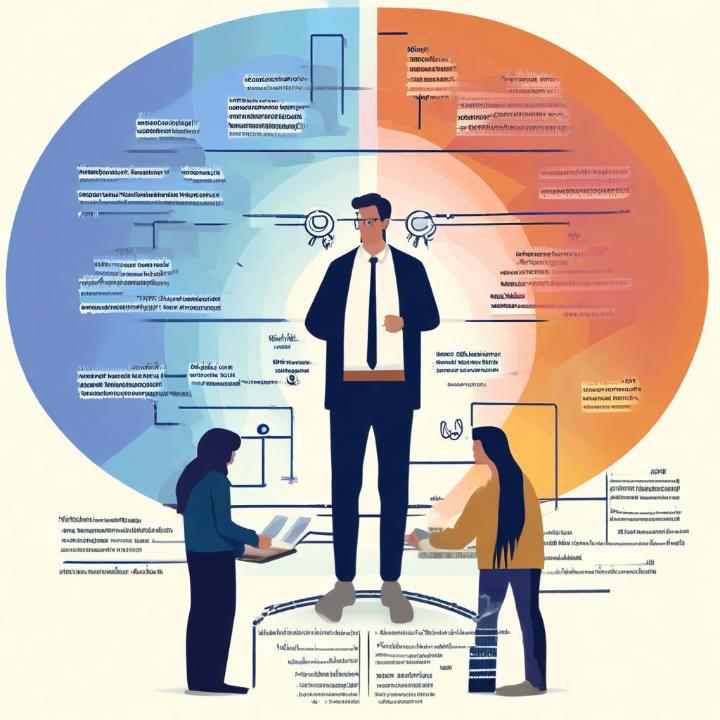 |
| Researchers continuously analyse data and bring out the intricate role of independent and interdependent self-concepts in the light of the implications to be drawn for identity formation. |
Additionally, recent research indicates that the Indian self-concept is evolving, reflecting a dynamic interplay between traditional values and contemporary aspirations. Urban youth are more inclined to develop a bicultural identity, wherein they integrate traditional interdependent values with emerging individualistic ideals. This hybrid identity allows them to navigate the demands of a rapidly changing society while remaining rooted in cultural values.
Challenges and Implications
 |
| An individual caught in the crossroads, personifying confused identity within a cultural clash of values—caught between personal aspirations and cultural expectations. |
The ever-changing nature of self-concepts in India poses great psychological challenges. Here, there is a clash of time-old values and the aspirations founded on modernist ideals. It leads to identity confusion and dislocation when individuals are unable to bring personal goals in line with the expectations of their society, thus leading to feelings of guilt, inadequacy, and lowered self-esteem. This has vast implications for mental health practitioners who should take culturally sensitive approaches in their work with Indian people.
Conclusion
In short, the concept of self in Indian people forms a complex construct by rather intricate interplay among cultural norms, social expectations, and global influences undergoing changes with time. While traditional interdependent values describe who you are and the meaning of your existence, the new expansion of individualism creates new avenues for personal growth and self-expression. Understanding this complex interface between culture and self-concept is therefore important for any researcher, psychologist, or mental health professional working in the Indian context. An appreciation of the distinct cultural underpinnings of self-concept from India can lead us to a more subtle understanding of psychological well-being and identity development.

Comments
Post a Comment